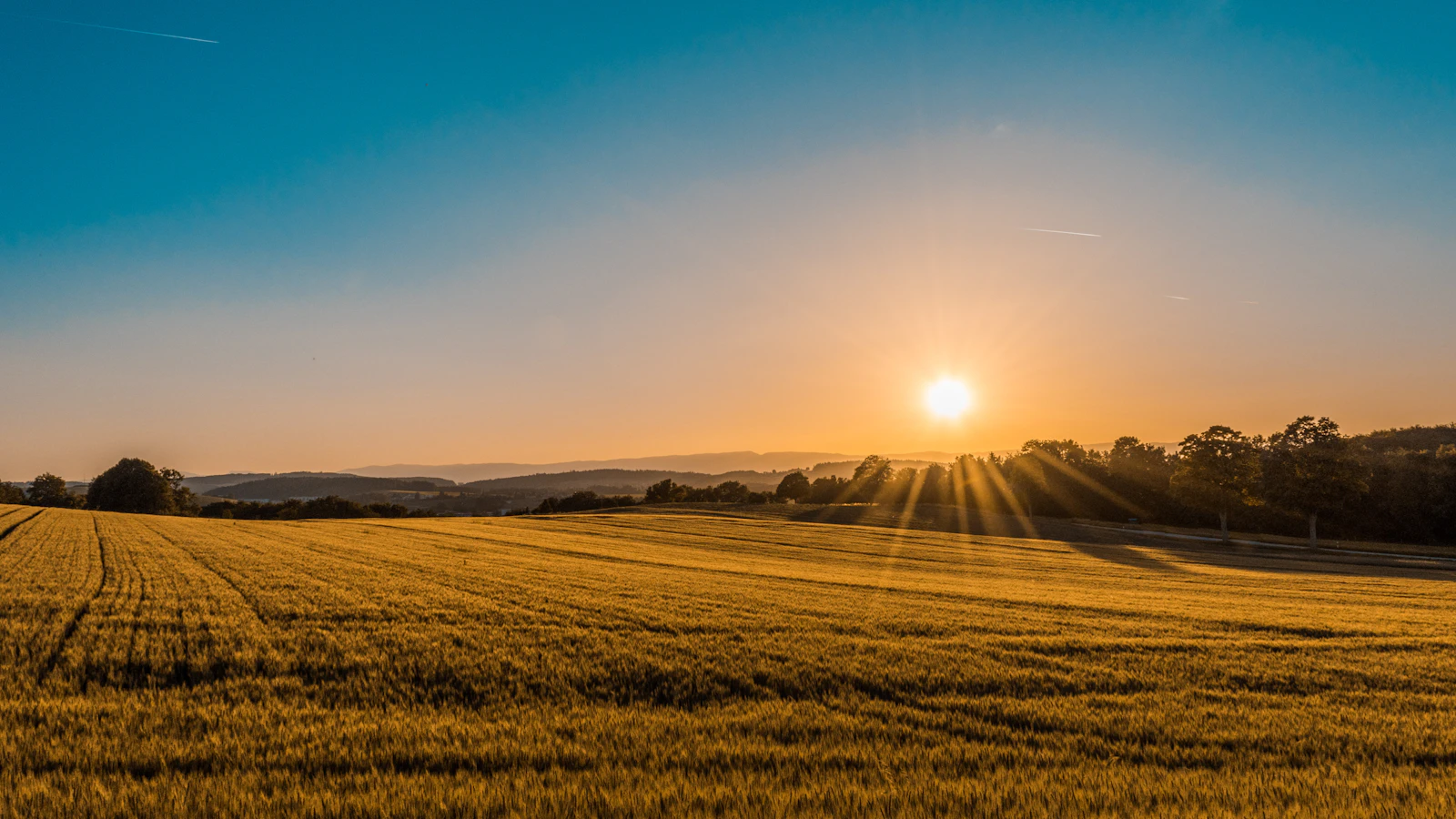
Farmers across the Wiregrass region, which includes Dothan, Enterprise, and surrounding Coffee, Henry, and Houston counties, are navigating another season of shifting commodity markets, with many growers adjusting planting decisions between peanuts, cotton, and other row crops based on price outlooks and input costs.
The region has long been one of Alabama's most productive agricultural areas, with peanuts in particular carrying deep historical significance dating back to the boll weevil crisis of the early twentieth century, when farmers around Enterprise diversified away from cotton monoculture. That legacy of agricultural diversification remains evident today, as many Wiregrass farms continue to rotate between peanuts, cotton, corn, and soybeans depending on market conditions each season.
Input Costs Remain a Central Concern
Agricultural economists working with area extension offices say fertilizer, seed, fuel, and equipment costs have remained a significant factor in farmers' planting decisions in recent years, with many growers reporting that input costs have not always moved in tandem with commodity prices. That mismatch has made financial planning more complicated for farm operations of all sizes, from smaller family farms to larger commercial operations.
Agricultural lenders serving the Wiregrass region say farm financing remains a specialized niche within the broader banking sector, with dedicated agricultural loan officers working closely with growers on operating loans that typically get repaid after harvest. These lending relationships often span years or even generations, reflecting the long-term nature of agricultural financing and the deep local knowledge required to underwrite farm operating loans responsibly.
Diversification and Risk Management
Many Wiregrass farmers have continued to diversify their operations in recent years, incorporating irrigation investments, alternative crops, and in some cases agritourism activities such as pumpkin patches and corn mazes as additional revenue streams. Agricultural economists note that this diversification reflects a broader industry trend toward risk management, as farmers look to reduce their exposure to any single commodity's price swings.
Crop insurance also plays an important role in the region's agricultural economy, providing a financial backstop for farmers facing weather-related losses, which remain a persistent risk given the Gulf Coast region's exposure to hurricanes and tropical storm systems that can affect crops late in the growing season. Extension officials say farmers have become increasingly attentive to insurance coverage decisions as extreme weather patterns have added additional uncertainty to seasonal planning.
Supporting the Broader Rural Economy
Agriculture's economic footprint in the Wiregrass region extends well beyond the farms themselves, supporting equipment dealers, grain elevators, cotton gins, and processing facilities that provide employment throughout the rural economy. Local economic development officials note that agricultural processing and related agribusiness activity remain important, if sometimes underappreciated, contributors to the region's tax base and employment picture.
Farm bureau representatives in the area say they've continued advocating for policies supporting crop insurance, disaster assistance, and agricultural credit access, viewing these tools as essential to the long-term stability of farm operations in the region. Younger farmers entering the industry, often working alongside family operations, have shown particular interest in these financing and risk management tools, given the substantial capital investment required to operate a modern farm.
Looking ahead, Wiregrass farmers say they'll continue monitoring commodity price trends before finalizing planting decisions for the upcoming season, with peanuts and cotton likely to remain the region's dominant crops even as some growers experiment with additional diversification. Agricultural economists describe the region's farming economy as resilient but increasingly dependent on careful financial planning to manage the inherent volatility of commodity agriculture.